How to Negotiate a Vet Bill
Opening an itemized vet bill that’s higher than expected doesn’t mean you’re stuck paying every line item without question. Learning how to negotiate a vet bill — respectfully, and with the right information — can genuinely lower what you owe or make the payment more manageable, without damaging your relationship with your vet.
Can You Actually Negotiate a Vet Bill?
Yes, to a meaningful degree. Veterinary pricing isn’t always as fixed as it may appear, and many clinics have some flexibility, particularly around bundling services, adjusting the timing of non-urgent treatments, or offering a payment plan instead of requiring full payment upfront. Negotiating a vet bill doesn’t usually mean haggling over price like a marketplace — it means having an informed, direct conversation about what’s essential, what can wait, and how you can realistically pay for it.
It’s also worth noting that veterinary staff are not adversaries in this conversation. Most genuinely want your pet to get needed care and are used to helping owners work through cost concerns — approaching the conversation calmly and specifically tends to get better results than either avoiding the topic or getting confrontational.
Before the Bill: Negotiate the Treatment Plan First
The best time to reduce a vet bill is before it’s finalized, while the treatment plan is still an estimate. Once services are performed, there’s much less room to adjust.
- Ask for a written, itemized estimate before agreeing to any non-emergency procedure, so you can review it carefully rather than agreeing verbally in the moment.
- Ask which items are essential today versus optional or deferrable. Some diagnostics or add-ons can reasonably wait a few weeks without harming your pet.
- Ask if there’s a lower-cost alternative test or treatment that still provides useful clinical information, even if it’s not the most comprehensive option available.
- Ask whether any bundled packages exist that combine services (like a dental cleaning plus bloodwork) at a lower combined rate than paying separately.
After the Bill: How to Ask for a Reduction or Adjustment
If you’re looking at a bill that’s already been generated, you still have a few legitimate approaches:
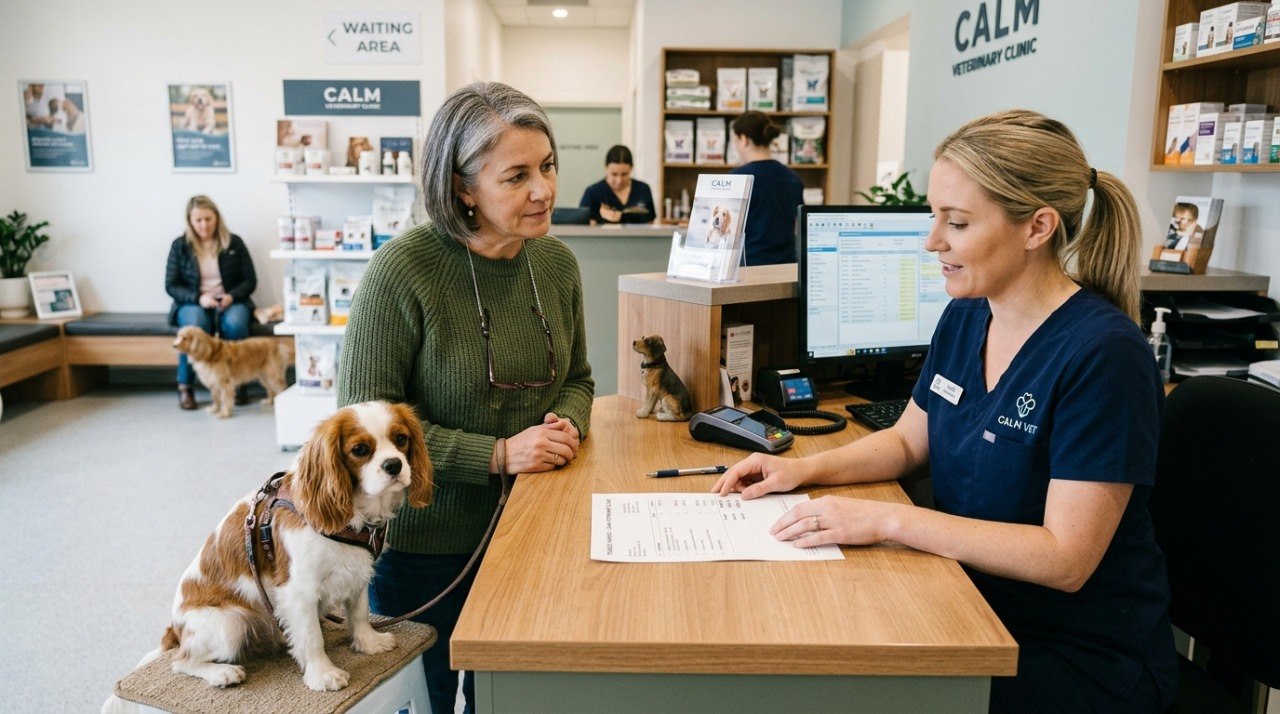
- Ask for an itemized breakdown if you only received a total. Reviewing line by line sometimes reveals a duplicate charge, an add-on you didn’t realize you were billed for, or a service you can question.
- Ask directly if there’s any flexibility on the total, particularly for cash payment, being a long-standing client, or paying immediately rather than over time.
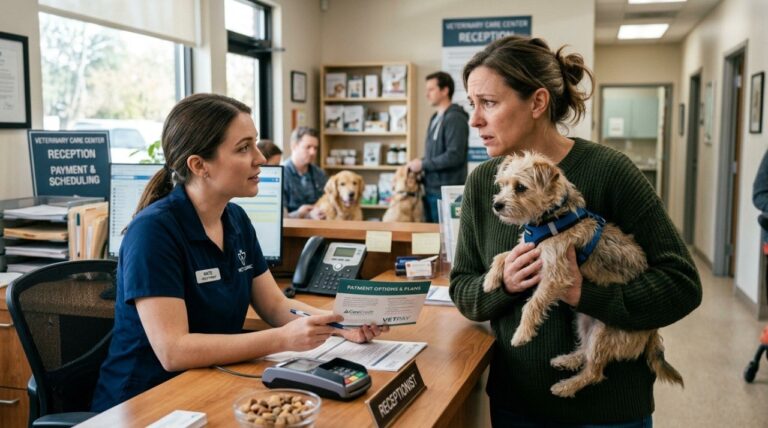
- Ask about a payment plan instead of a discount if the clinic can’t reduce the total — spreading a bill over a few months is often easier to arrange than an outright reduction.
- Mention if cost is genuinely a barrier to care and ask if the clinic has ever worked with nonprofit vet bill assistance organizations — many keep a list of local resources they can point you toward.
- Ask about compassionate or courtesy discounts, which some independent clinics offer on a case-by-case basis, particularly for spay/neuter, euthanasia, or hardship cases.
Tactics That Work vs. Tactics That Backfire
| Approach | Why It Tends to Work | Why It Can Backfire |
|---|---|---|
| Asking calmly and specifically for options | Staff respond well to clear, respectful requests and often have real flexibility to offer | N/A — generally low risk |
| Requesting an itemized estimate/bill | Creates transparency and sometimes reveals errors or unnecessary add-ons | None — this is a reasonable, standard request |
| Comparing prices from other local clinics | Can support a reasonable request for a price match or explanation of the difference | Demanding an exact price match can come across as confrontational if delivered aggressively |
| Threatening negative reviews to get a discount | Rarely works and damages trust | Can get you flagged as a difficult client and reduce future flexibility |
| Refusing to pay after service is rendered | Does not work | Can result in collections, damaged credit, and inability to return to that clinic |
| Asking about payment plans or financing instead of a discount | Highly effective — most clinics have real answers here | None — this is one of the most productive approaches available |
What to Say: Sample Scripts
Having the right words ready can make the conversation much easier. Try adapting one of these:
- “This estimate is higher than I expected. Can you walk me through which parts are essential today, and whether anything could reasonably wait?”
- “I want to move forward with care for my pet, but I need to understand my payment options — do you offer a payment plan, or work with any financing partners?”
- “Is there any flexibility on this total, or a discount available given [long-standing client status / hardship / paying today]?”
- “Cost is a real concern for me right now. Do you have any recommendations for organizations that help with vet bills, or a lower-cost alternative for this specific treatment?”
When Negotiation Has Limits
It’s worth being realistic: negotiation works best on non-urgent, elective, or borderline-optional costs, and has real limits during a genuine emergency where the clinic’s pricing reflects the actual cost of urgent, specialized care. Emergency and specialty clinics, in particular, tend to have less flexibility on pricing than general practice clinics, since their overhead (24-hour staffing, advanced equipment) is genuinely higher. In these cases, your energy is often better spent asking about payment plans, financing, or nonprofit assistance rather than trying to negotiate the price itself down.
How Clinic Size and Type Affect Your Negotiating Room
The type of practice you’re dealing with meaningfully shapes how much room there is to negotiate a vet bill. Independently owned general practices often have the most flexibility, since the owner-veterinarian can make case-by-case decisions about discounts, payment timing, or waived fees. Corporate-owned clinic chains typically operate under standardized pricing policies set at a regional or national level, meaning individual staff have less authority to adjust the bill itself, though they usually still have access to financing partnerships and payment plan options. Specialty and emergency hospitals tend to have the least flexibility on core pricing, given their higher fixed costs for equipment, specialists, and round-the-clock staffing, but they often have well-established relationships with financing companies and sometimes nonprofit organizations, precisely because their bills tend to run higher.
Knowing which type of practice you’re dealing with can help you calibrate expectations before the conversation even starts — approaching an independent general practice with a request for a discount is reasonable, while approaching a 24-hour emergency specialty hospital with the same request may be less productive than simply asking about payment plans and financing instead.
Documenting the Conversation for Your Own Records
Whenever you do negotiate a change to a bill — a discount, a revised treatment plan, or a payment schedule — ask for the new terms in writing, even if it’s just a brief email or an updated printed estimate. This protects both you and the clinic from misunderstandings later, particularly if the agreed changes involve a payment plan spanning several months. Keeping a simple record of what was promised, by whom, and when, makes it much easier to resolve any discrepancy if a bill or reminder doesn’t match what was actually agreed upon.
Frequently Asked Questions About Negotiating a Vet Bill
Is it rude to ask a vet to lower a bill?
No — asking respectfully about cost, alternatives, or payment options is a completely normal part of the client relationship, and most veterinary staff are used to these conversations. The key is asking specifically and calmly rather than demanding a discount.
Can I negotiate an emergency vet bill?
There’s typically less room to negotiate the core pricing during a true emergency, since costs reflect genuine urgent-care overhead. You may still have success asking about payment plans, partial payment arrangements, or which parts of extended treatment could be deferred once your pet is stable.
Should I get a second opinion before paying for expensive treatment?
For non-urgent or high-cost elective procedures, a second opinion can be reasonable and sometimes reveals a lower-cost approach — but for true emergencies, delaying care to shop around can carry real risk to your pet’s health.
Will asking about cost affect the quality of care my pet receives?
No — legitimate veterinary professionals do not reduce care quality because you asked about cost. If a clinic ever makes you feel it will, that’s a signal to look for a different provider once your pet’s immediate needs are addressed.
What if the clinic won’t negotiate at all?
If there’s no flexibility on price, pivot the conversation toward payment plans, third-party financing, or nonprofit vet bill assistance organizations — these routes can meaningfully ease the burden even when the sticker price itself doesn’t change.
Does paying in cash get a better rate than a card?
Some independent clinics offer a small discount for cash or immediate full payment to avoid card processing fees, but this isn’t universal — it’s worth asking directly, since it costs nothing to check.
This article is for general informational purposes only and does not constitute financial or veterinary advice. Clinic policies on discounts, payment flexibility, and financing vary widely and change over time. Always confirm current options directly with your veterinary provider.
Want the full picture on affording vet care? See our Affording Vet Care guide for more.