How to Build a Pet Emergency Fund
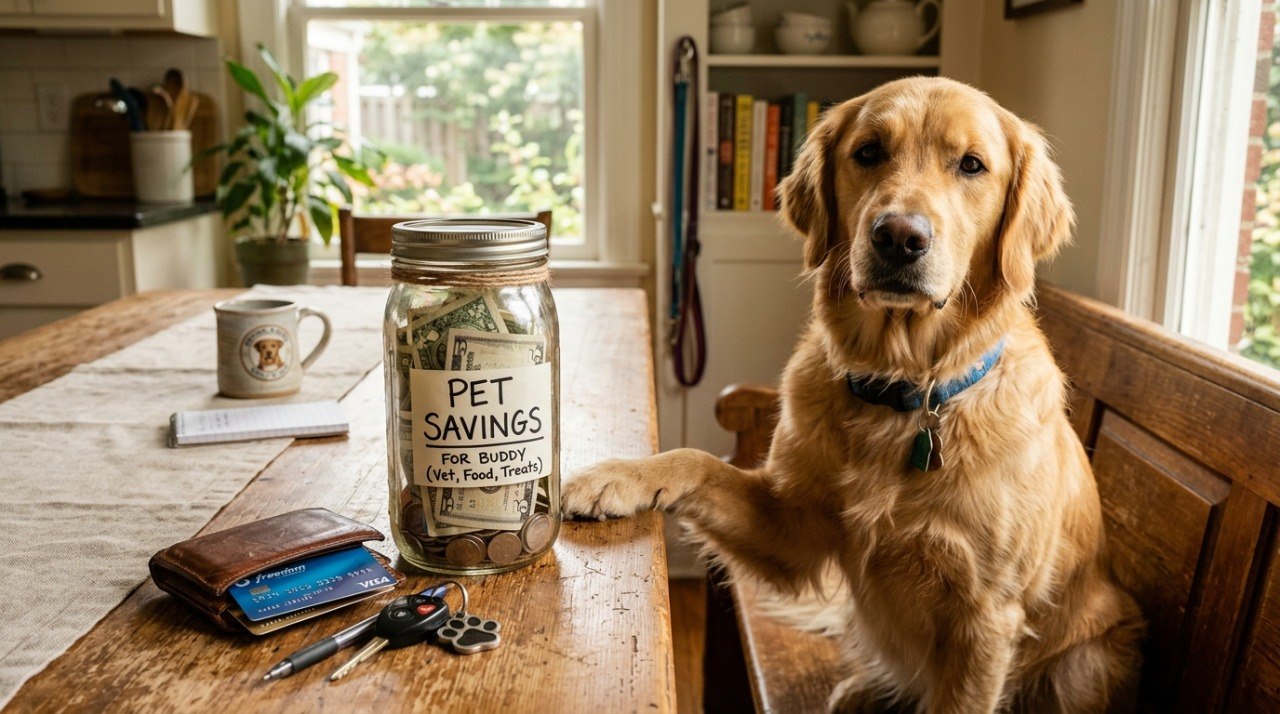
Nobody plans for their pet to get sick or hurt at the worst financial moment, but it happens to almost every pet owner eventually. Building a pet emergency fund now — even a small one — means that when it does happen, you’re making decisions based on what’s best for your pet, not just what you can scrape together in the moment. Here’s a realistic, step-by-step way to build one.
Why You Need a Pet Emergency Fund
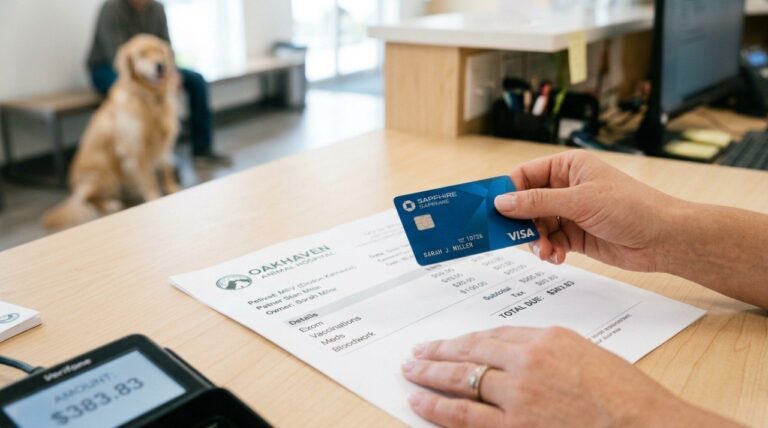
A pet emergency fund is money set aside specifically for unexpected veterinary costs — the kind that don’t wait for payday. Emergency vet visits commonly range from a few hundred dollars for a minor injury or illness up to several thousand dollars for surgery, hospitalization, or intensive care. Without a dedicated fund, owners are often forced to choose between debt, a rushed financing decision, or delaying care in a genuine emergency.
Even pet owners with insurance benefit from an emergency fund, since most policies require you to pay the clinic upfront and wait for reimbursement — a pet emergency fund covers that gap. For owners without insurance, the fund becomes your entire safety net.
How Much Should You Save in a Pet Emergency Fund?
There’s no single “correct” number, but a sensible target is enough to cover a mid-range emergency for your pet, depending on your region and the species/breed’s typical risk profile. Ask local clinics for written estimates of common emergencies to size it. Larger dog breeds and brachycephalic (flat-faced) breeds tend to have higher average emergency costs due to conditions like bloat or airway surgery, so owners of those breeds may want to aim toward the higher end of that range.
If a full emergency fund feels out of reach right away, don’t let that stop you from starting. Even $500 set aside specifically for your pet is enough to cover many common urgent care visits (minor lacerations, ingestion of a foreign object requiring induced vomiting, some infections) and buys you time to arrange financing for anything larger.
Step-by-Step: How to Build a Pet Emergency Fund
- Open a separate, dedicated savings account. Keeping pet emergency savings separate from your general savings reduces the temptation to spend it on non-pet expenses and makes it easy to track progress.
- Set a realistic monthly contribution. Even $25–$50 a month adds up: at $50/month, you’d reach $1,200 in two years. Automate the transfer so it happens without requiring willpower each month.
- Start with a smaller milestone goal. Rather than fixating on a large total, aim for a first milestone of $500, then $1,000, then reassess based on your pet’s age, breed, and health history.
- Redirect windfalls. Tax refunds, work bonuses, cash gifts, or rebate checks are painless ways to jump-start the fund without affecting your regular budget.
- Cut one small recurring expense and redirect it. A single skipped subscription or a smaller reduction in a discretionary category, redirected consistently, can fund meaningful monthly contributions.
- Reassess annually as your pet ages. Emergency and chronic care costs tend to rise as pets get older, so periodically increase your target and contribution rate.
Where to Keep a Pet Emergency Fund
| Account Type | Accessibility | Growth Potential | Best For |
|---|---|---|---|
| High-yield savings account | Fast (1–2 business days) | Modest interest, no market risk | Most pet owners — the standard recommendation |
| Regular checking/savings | Immediate | Little to none | Owners who prioritize instant access over growth |
| Money market account | Fast, sometimes with limited transfers/month | Slightly higher interest than standard savings | Larger emergency funds seeking a bit more yield |
| Cash envelope / at-home | Immediate but limited by physical cash on hand | None; loses value to inflation over time | Small supplemental buffer only — not a primary strategy |
Avoid keeping emergency funds in investments tied to market fluctuations (like stocks), since you may need the money on short notice, at a moment when the market happens to be down.
Pet Emergency Fund vs. Pet Insurance vs. Credit
A pet emergency fund, pet insurance, and a credit card or line of financing all solve the same core problem — an unaffordable surprise bill — but they work differently. A fund gives you interest-free, no-strings cash you fully control. Insurance requires monthly premiums and often has waiting periods and exclusions, but can cover very large bills beyond what most people could realistically save. Credit and financing give you cash on the spot but come with interest costs if not paid off quickly.
Many financial advisors and pet owners use a layered approach: a modest emergency fund as the first line of defense, pet insurance to cover the larger, less predictable risks, and a low-interest credit option or payment plan held in reserve as a last resort for anything that exceeds both.
Common Mistakes That Slow Down a Pet Emergency Fund
Even well-intentioned savings plans stall out for predictable reasons. Watching for these common pitfalls can keep your progress on track:
- Treating the fund as optional during tight months. Automating the transfer removes the temptation to “skip just this once,” which is how many funds quietly stall for a year or more.
- Keeping the money too accessible. If your pet emergency fund sits in the same account you use for everyday spending, it’s far too easy to dip into it for non-emergencies. A separate account creates helpful friction.
- Waiting for a large lump sum before starting. Many owners delay starting altogether because they feel a small monthly amount “won’t matter.” Small, consistent contributions compound faster than most people expect.
- Never revisiting the target amount. A goal set when your pet was young and healthy may be outdated once they reach their senior years, when emergency and chronic care costs typically rise.
Using Your Emergency Fund Wisely When the Time Comes
When an emergency actually happens, resist the instinct to drain the entire fund automatically. First, ask the clinic for an itemized estimate and find out what portion is truly urgent versus what can be scheduled slightly later. Use your fund to cover the essential portion first, and consider a short-term payment plan or financing option only for any remaining balance beyond what your fund can absorb. This approach preserves at least part of your fund for whatever comes next, rather than starting completely from zero after a single incident.
Afterward, treat rebuilding the fund as a priority, the same way you would replenish a general emergency fund after an unrelated setback. Consider temporarily increasing your monthly contribution for a few months post-emergency to get back to your target faster, especially if your pet’s condition means future related costs are likely.
Special Considerations for Multi-Pet Households
If you have more than one pet, a single emergency fund sized for “one incident” may not be enough, since emergencies don’t always happen conveniently one at a time — and some situations, like a shared illness or an accident involving multiple animals, can affect more than one pet at once. Consider sizing your fund closer to the higher end of the typical range, or building a fund per pet if your household includes animals with very different risk profiles (a senior cat and a young large-breed dog, for example, have different likely emergency costs). Reviewing your total pet-related risk once a year, alongside your regular financial check-in, helps keep the target realistic as your household changes.
Teaching Kids and Family Members About the Fund
If your pet’s care is a shared family responsibility, it helps to make sure everyone in the household understands that the emergency fund exists, what it’s for, and that it isn’t a source for non-pet expenses. This simple bit of communication prevents the fund from being unintentionally spent down before it’s actually needed, and it can also be a useful, low-stakes way to introduce kids to the basic concept of saving for a specific purpose over time.
Frequently Asked Questions About Pet Emergency Funds
How much money should I keep in a pet emergency fund?
There is no fixed number: size it to your pet’s species, breed, age, and local emergency vet costs, using written estimates from nearby clinics. Starting with a smaller goal, like $500, is still meaningful and better than having no fund at all.
Should I have a pet emergency fund even if I have pet insurance?
Yes. Most insurance plans reimburse you after you pay the clinic upfront, so you still need accessible cash to cover the bill at the time of treatment while you wait for reimbursement.
What’s the fastest way to build a pet emergency fund?
Automating a fixed monthly transfer to a dedicated savings account, combined with redirecting occasional windfalls like tax refunds or bonuses, tends to build the fund fastest without requiring major lifestyle changes.
Where should I keep my pet emergency fund?
A high-yield savings account is generally the best balance of quick access and modest growth. Avoid tying emergency funds to investments that can lose value right when you need the money.
What if I need emergency vet care before my fund is fully built?
Use whatever you’ve saved so far to reduce the amount you need to finance, then look into vet payment plans, third-party financing, or nonprofit vet bill assistance programs to cover the remaining gap.
Should I use my general emergency fund instead of a separate pet fund?
You can, but a dedicated pet fund is often more effective because it removes competition between pet emergencies and other financial emergencies (job loss, home repairs, medical bills) that might otherwise draw down the same pool of savings.
This article is for general informational purposes only and does not constitute financial advice. Savings targets and cost estimates are general guidelines, not guarantees — actual veterinary costs vary by location, provider, and case. Consider consulting a financial advisor for guidance specific to your situation.
Want the full picture on affording vet care? See our Affording Vet Care guide for more.