Pet Insurance Waiting Periods by Insurer: Verified Terms
Waiting periods published by major U.S. pet insurers, each linked to its source, with unverified items clearly marked.
Waiting periods published by major U.S. pet insurers, each linked to its source, with unverified items clearly marked.
Which U.S. states have adopted the NAIC Pet Insurance Model Act, and what it requires on waiting periods, pre-existing conditions, and disclosures.

For most pet owners, pet insurance is not tax deductible because the IRS treats pets as personal property, and premiums for a personal companion animal fall under non-deductible personal expenses. However, there are specific exceptions — service animals, certified working animals, and pets used directly in a business — where some costs, including insurance, may…

Filing a pet insurance claim generally means paying your vet bill upfront, then submitting an itemized invoice through your insurer’s app or website for reimbursement. Most claims are processed within 5 to 14 business days if the paperwork is complete and the condition is covered. Knowing the exact steps — and what to do if…

Yes, a pet insurer can decide not to renew your policy, and in some circumstances can cancel it mid-term, though the rules and allowed reasons vary significantly by state and by company. Pet insurance non-renewal is different from cancellation for fraud or non-payment — it typically happens at the end of a policy term for…
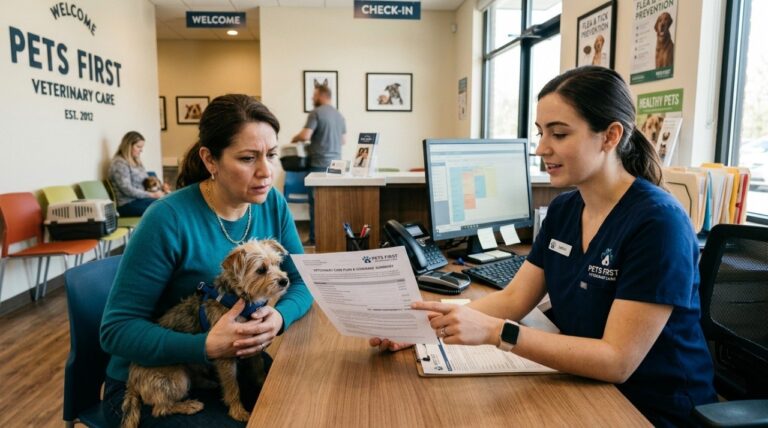
Understanding what pet insurance doesn’t cover is just as important as knowing what it does — every U.S. policy carries a defined list of exclusions, and the most common ones are pre-existing conditions, routine and preventive care (unless you add a wellness rider), cosmetic or elective procedures, breeding-related costs, and behavioral training. Knowing these gaps…

A pet insurance waiting period is the mandatory span of time after you enroll — and before you pay your first premium claim eligible — during which your policy is active but new conditions aren’t yet covered. Typical waiting periods run about 14 days for illnesses, 1–5 days for accidents, and a much longer 6-12…
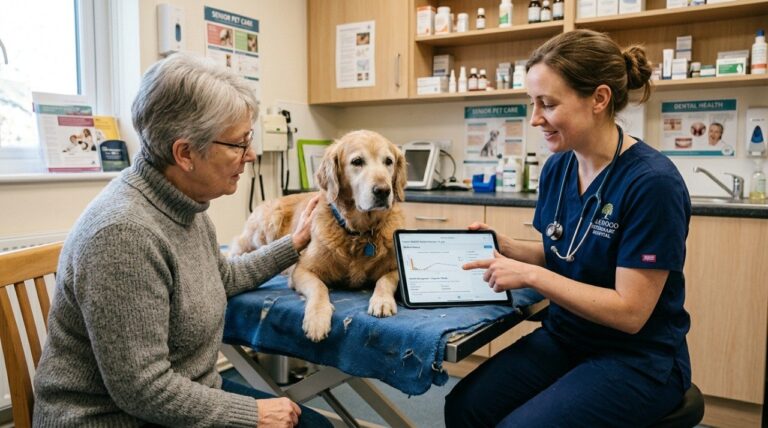
Pet insurance pre-existing conditions are any illness, injury, or symptom your pet showed signs of, was diagnosed with, or was treated for before your policy’s effective date — and virtually no U.S. pet insurer will cover treatment for them, no matter which provider you choose. This applies even if the condition wasn’t formally diagnosed yet,…

Pet insurance prices vary widely by species, breed, age, location, and plan design. The most reliable public benchmark is the annual report from the North American Pet Health Insurance Association (NAPHIA), a trade group whose members report premium and policy counts. Its State of the Industry 2026 report puts the average U.S. accident-and-illness premium in…