Low-Cost Vet Clinics: How to Find Affordable Care Near You
Finding a low cost vet clinic can feel overwhelming when your pet needs care and your budget is tight, especially if you’re not sure where to even start looking. The good news is that affordable veterinary options exist in many communities, and knowing what to look for — and what questions to ask — can help you find quality care without paying full emergency-hospital prices.
What Actually Makes a Vet Clinic “Low Cost”?
A low cost vet clinic typically keeps prices down through a combination of factors: nonprofit or municipal funding, a no-frills facility without the overhead of a full emergency hospital, volunteer or supervised student labor, bulk-purchased supplies and vaccines, or a narrower scope of services focused on preventive and routine care rather than complex surgery. Understanding this distinction matters because it explains why these clinics can respond faster and cost less for many common needs, even though they aren’t set up to replace a full-service animal hospital for every situation.
Low Cost Doesn’t Mean Low Quality
One of the biggest misconceptions is that a low cost vet clinic automatically means worse medicine. In reality, the licensed veterinarians working at these clinics have the same training and licensing requirements as those at high-end private practices. What differs is usually the business model, not the medical competence. That said, it’s still worth doing your own due diligence, the same way you would with any provider, rather than assuming quality based on price alone in either direction.
Signs of a Legitimate Low-Cost Clinic
- Veterinarians and technicians are properly licensed and willing to show credentials if asked.
- The clinic is transparent about what is and isn’t included in a stated price.
- Basic safety protocols are visible — clean exam areas, proper handling of medications, sterile equipment for procedures.
- Staff clearly explain when a case is beyond their scope and needs referral to a full-service hospital.
- Reviews or community reputation reflect consistent, honest care rather than repeated complaints about bait-and-switch pricing.
Questions to Ask Before You Book
- What exactly is included in the quoted price, and what could add extra charges?
- Are the veterinarians licensed, and is a licensed vet always on-site during procedures?
- What happens if my pet needs more advanced care than this clinic offers?
- Do you require an appointment, or is this walk-in / first-come-first-served?
- Is payment due in full at the time of service, or are partial payments or plans available?
Types of Low Cost Vet Clinic Resources
Affordable care doesn’t come from a single source — it’s usually a patchwork of different organizations and programs, and availability varies significantly depending on where you live.
Nonprofit and Charity-Run Clinics
Many regions have nonprofit veterinary clinics, often run by animal welfare organizations, that offer reduced-cost exams, vaccinations, spay/neuter surgery, and sometimes basic treatment. These are frequently income-restricted or prioritize pets from low-income households, so eligibility rules vary by organization.
Municipal and County Animal Services Programs
Some city or county animal control and animal services departments run low-cost clinics or subsidize services like vaccinations, microchipping, and spay/neuter procedures, sometimes as part of public health initiatives. These programs aren’t available everywhere, so checking your local city or county government website is the most reliable way to confirm what exists in your area.
Veterinary School Teaching Hospitals
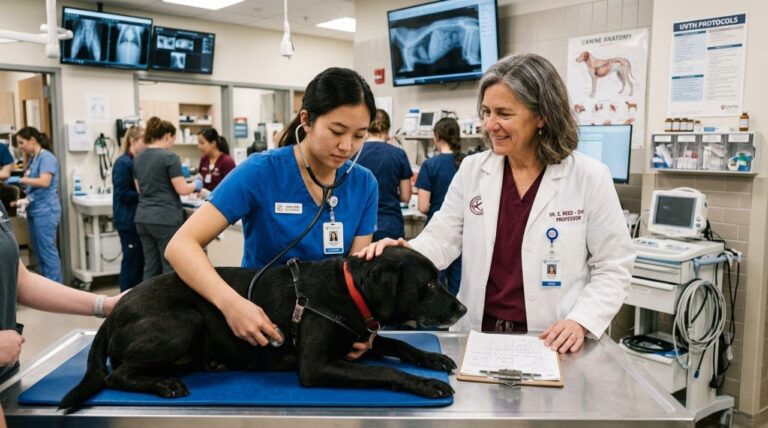
If you live near a university with a veterinary program, its teaching hospital may offer reduced-cost services performed by supervised veterinary students and residents under the direction of licensed faculty veterinarians. These can be a strong option for both routine and certain specialty care, though appointments may require more advance scheduling than a walk-in clinic.
Mobile and Pop-Up Vaccination Events
Pet supply stores, shelters, and community organizations frequently host low-cost or free vaccination clinics and wellness events, particularly around rabies vaccination drives or adoption events. These are typically announced through local shelter newsletters, community social media groups, or store bulletin boards rather than being available on a fixed year-round schedule.
Breed-Specific and Local Rescue Organization Support
Some breed-specific rescues and local animal welfare nonprofits maintain lists of discounted vet partners or offer limited financial assistance for their community members, even if you didn’t adopt your pet through them. It’s worth reaching out even if you’re not sure you qualify.
How to Actually Find a Low Cost Vet Clinic Near You
Start with a simple web search for “low cost vet clinic” plus your city or county name, then cross-check results against your local animal shelter’s website, since shelters often maintain updated referral lists. Calling your regular vet’s office and asking if they know of any local low-cost or nonprofit options is also worth doing — many vets are happy to point clients toward resources even if it means less business for themselves. Finally, check whether your state’s veterinary medical association maintains a directory, since several do.
When a Low Cost Clinic Isn’t the Right Choice
Low cost clinics are generally best suited for preventive care, vaccinations, spay/neuter, and straightforward treatment. If your pet is experiencing a true emergency — difficulty breathing, suspected poisoning, severe trauma, uncontrolled bleeding, or collapse — a full-service emergency animal hospital is almost always the safer and faster choice, even if the cost is higher. Time matters more than savings in a genuine emergency.
What to Expect at a Low Cost Vet Clinic Visit
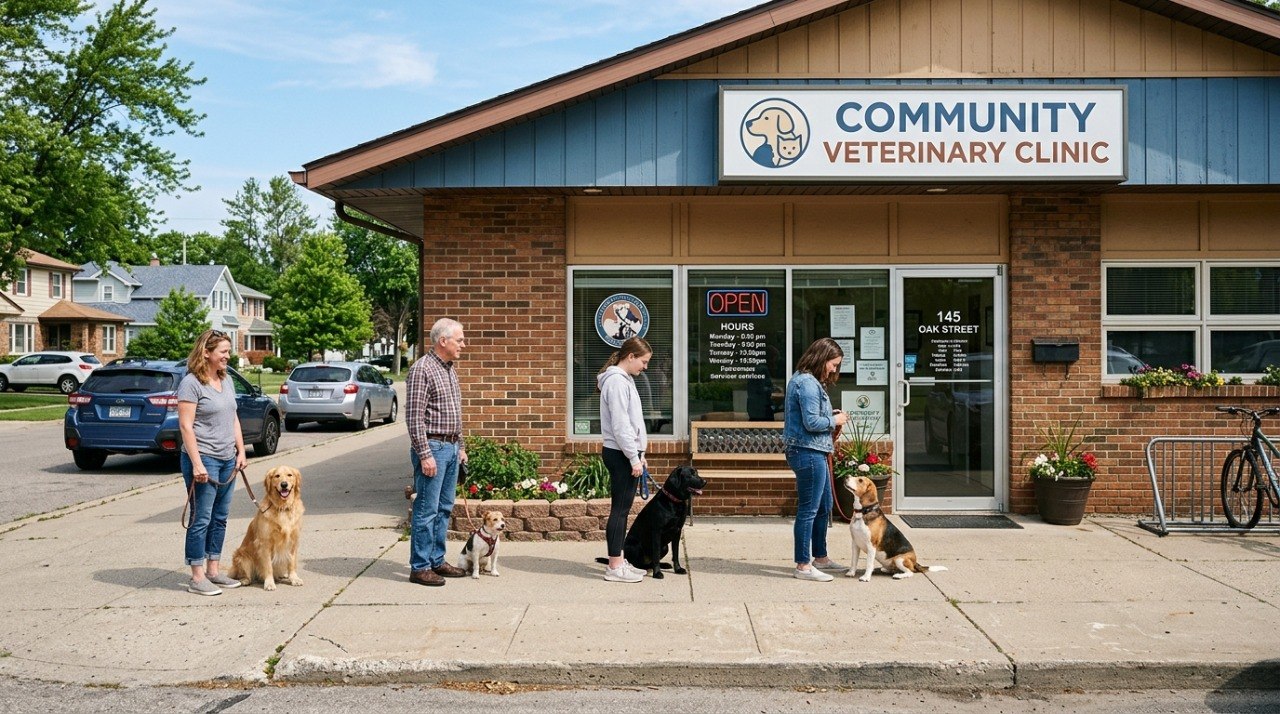
Walking into a low cost vet clinic for the first time can feel different from a typical private practice, and knowing what to expect can ease some of that uncertainty. Many operate on a first-come, first-served basis rather than scheduled appointments, so arriving early is often the best way to avoid a long wait or a full day’s roster. Facilities tend to be simpler and more utilitarian than a boutique animal hospital — think functional exam rooms rather than a plush waiting area — but that difference in decor has no bearing on the medical care provided. Expect a more streamlined visit focused specifically on the service you came for, rather than an extensive wellness consultation, since keeping visits efficient is part of how these clinics keep costs manageable.
Payment is typically expected at the time of service, often in cash, debit, or card, and many low-cost clinics don’t bill insurance directly or offer financing on-site. If you have pet insurance, ask for an itemized paid receipt so you can submit a reimbursement claim afterward. It’s also common for staff to be stretched thin, so patience and clear communication about your pet’s symptoms and history in advance can help the visit go smoothly for everyone.
Red Flags to Watch For
While most low cost vet clinics are legitimate and well-run, it’s still smart to stay alert for warning signs that a provider isn’t operating responsibly.
- Reluctance or refusal to explain what’s included in a quoted price.
- No licensed veterinarian available on-site, especially during any procedure involving sedation or surgery.
- Visibly unclean or disorganized facilities, or reused single-use supplies.
- Pressure to add services that weren’t part of your original reason for the visit.
- A pattern of negative reviews describing the same specific problem, such as unexpected charges or unexplained complications.
Trust your instincts. If something feels off during a visit, it’s reasonable to ask more questions, request documentation, or seek a second opinion elsewhere, even if it means paying somewhat more for peace of mind.
Combining a Low Cost Clinic With Other Financial Resources
A low cost vet clinic doesn’t have to be your only strategy. Many pet owners use these clinics for routine and preventive needs — vaccinations, spay/neuter, basic dental cleanings, wellness exams — while reserving a full-service veterinary hospital for anything more complex, and then leaning on payment plans, medical credit cards, or nonprofit financial assistance programs to cover the gap when a bigger issue arises. Thinking of affordable care as a toolkit rather than a single solution tends to lead to better outcomes for both your pet’s health and your budget over the long run.
Frequently Asked Questions
Are low cost vet clinics available in every city?
No. Availability varies a great deal depending on where you live, and some rural areas may have very limited options nearby. Checking local shelters, county animal services, and nearby veterinary schools is the best way to find out what exists in your specific area.
Do low cost vet clinics treat emergencies?
Most low cost and nonprofit clinics focus on preventive and routine care rather than emergency medicine, and many don’t have overnight or 24-hour capacity. For true emergencies, a dedicated emergency animal hospital is typically the safer option.
Will a low cost clinic accept pet insurance?
It depends on the clinic. Many nonprofit and low-cost clinics operate on a pay-at-time-of-service model, but you can typically still submit the paid invoice to your pet insurance provider for reimbursement afterward. Confirm directly with the clinic before your visit.
How do I know if a cheap vet clinic is actually safe for my pet?
Look for transparency about pricing, verifiable veterinary licensing, clean and organized facilities, and clear communication about when a case needs to be referred elsewhere. Price alone isn’t a reliable indicator of quality in either direction.
Can I get help paying even if I don’t use a low cost clinic?
Yes. Payment plans, medical credit options like CareCredit or Scratchpay, and nonprofit financial assistance programs can often be combined with a regular full-service vet visit, so a low cost clinic isn’t the only path to more manageable costs.
This article is for general informational purposes only and is not financial or medical advice. Availability of low-cost, nonprofit, and municipal veterinary programs varies by location and changes over time, so confirm current services, eligibility, and pricing directly with each provider before visiting. If your pet is experiencing a life-threatening emergency, contact the nearest emergency veterinary clinic first and ask about payment options once your pet is being seen.
Want the full picture on affording vet care? See our Affording Vet Care guide for more.