Vet School Clinics and Community Programs for Cheaper Care
When a routine checkup or a needed surgery starts to feel financially out of reach, a vet school clinic low cost option can be one of the best-kept secrets in pet care. Veterinary teaching hospitals across the country offer many of the same services as private clinics, often at a fraction of the price, because students perform the work under the direct supervision of licensed faculty. If you’re trying to stretch a tight budget without sacrificing quality care, it’s worth understanding how these programs work before you rule them out.
What Is a Vet School Clinic?
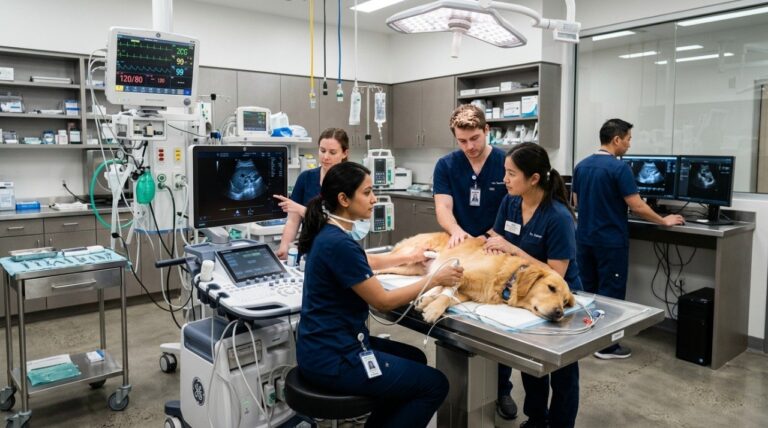
A vet school clinic — sometimes called a veterinary teaching hospital — is the clinical training arm of a university’s college of veterinary medicine. Every accredited veterinary school in the United States operates one, because hands-on experience with real patients is a required part of the curriculum. These hospitals treat everything from routine wellness exams to complex orthopedic surgery and oncology cases, and many accept animals from the general public, not just students and faculty.
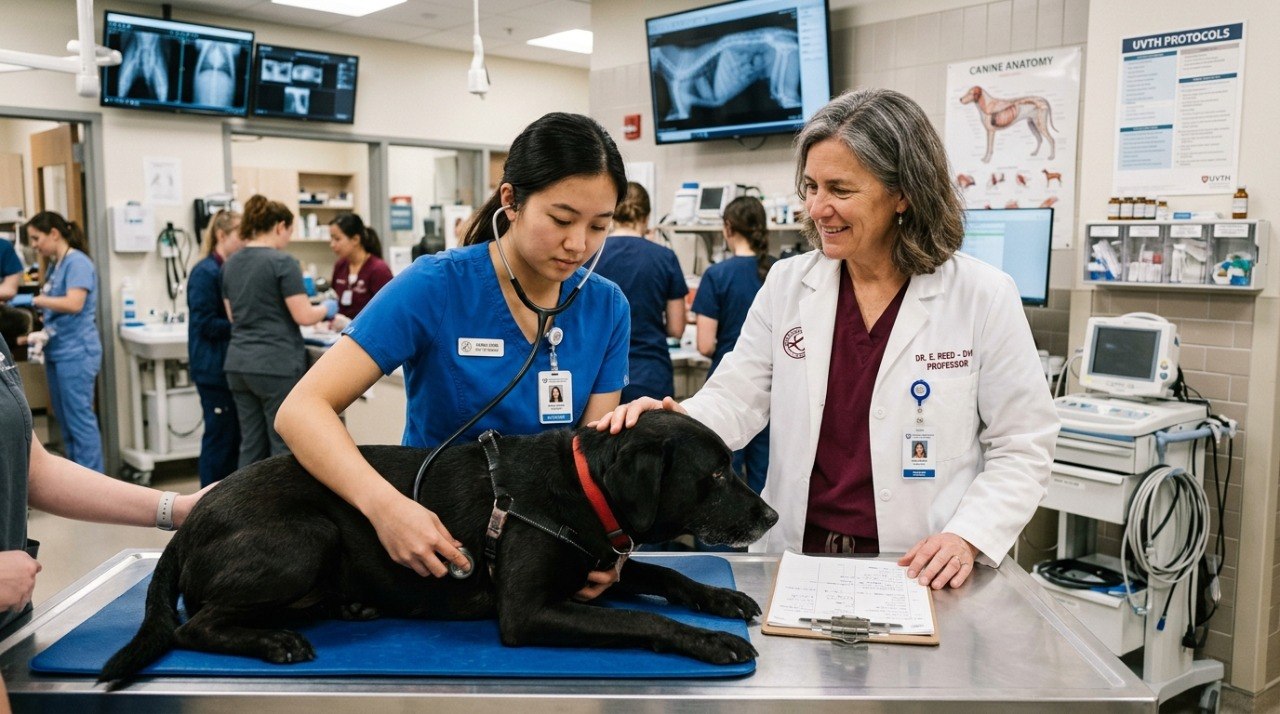
The core idea behind a vet school clinic low cost model is simple: students need supervised practice, and pet owners need affordable options. The school subsidizes a portion of the cost because the case has educational value, and that subsidy is passed on to you in the form of a lower bill. In many cases, the same board-certified specialists who teach at these institutions are the ones signing off on diagnoses and treatment plans, meaning the level of expertise available can rival or exceed that of a typical private practice.
How Much Cheaper Are They, Really?
Savings vary widely depending on the school, the region, and the type of service, but many pet owners report paying meaningfully less than they would at a private specialty hospital, especially for advanced diagnostics, surgery, and dental work. Basic wellness visits may not be dramatically cheaper than a general practice down the street, but specialty and referral-level care — the kind that often carries the highest price tags — is where vet school clinics tend to offer the biggest advantage.
Keep in mind that “low cost” does not mean free. Teaching hospitals still have to cover overhead, equipment, and staff salaries, so you should expect a real bill, just a more manageable one than you might get from an emergency specialty center for the same procedure.
Pros and Cons of Choosing a Vet School Clinic
| Pros | Cons |
|---|---|
| Lower costs for specialty and advanced care compared to many private referral hospitals | Appointments can take longer since students work through cases methodically under supervision |
| Access to board-certified specialists and cutting-edge diagnostic equipment | Limited availability — schools are often booked weeks or months out for non-urgent cases |
| Cases are double- and triple-checked by faculty, adding a layer of oversight | Not typically set up for true after-hours emergencies |
| Great option for complex or unusual cases that benefit from a teaching hospital’s resources | Distance — many people don’t live near a veterinary school |
| Often willing to work with owners on itemized estimates and payment plans | Less of a “quick in-and-out” experience; visits can run several hours |
How to Find a Vet School Clinic Near You
There are around 30 accredited veterinary schools in the United States, and most operate a public-facing teaching hospital. To find one:
- Search for “college of veterinary medicine” plus your state or region — most university veterinary hospitals have their own websites with service lists and contact forms.
- Check the American Veterinary Medical Association (AVMA) website, which lists all accredited veterinary schools in the U.S. and Canada.
- Call ahead and ask specifically whether they accept community/public referrals, since some services are limited to cases referred by a primary care veterinarian.
- Ask your regular vet if they can refer you — many general practitioners already have relationships with the nearest teaching hospital for complex cases.
- Look into affiliated low-cost or community outreach clinics some vet schools run separately from their main teaching hospital, often aimed at underserved pet owners.
What to Expect During a Visit
Visiting a vet school clinic feels a bit different from a standard vet appointment. Expect a longer intake process: a veterinary student will typically take a detailed history and perform an initial exam, then consult with a supervising faculty clinician before presenting a plan to you. That faculty member reviews the findings, may re-examine your pet, and signs off on the diagnosis and treatment recommendations. This back-and-forth is part of what makes the experience educational for students, but it also means visits can take two to four times longer than a typical private practice appointment.
You should also expect to be asked more questions than usual — students are learning how to build a full clinical picture — and you may be asked whether your case can be used (with appropriate confidentiality) for teaching purposes, such as case rounds or student presentations. Bring your pet’s full medical history, any prior test results or imaging, and a list of current medications to help the process move as efficiently as possible.
Is a Vet School Clinic Right for Your Situation?
A vet school clinic low cost visit tends to make the most sense when:
- Your pet needs a specialty procedure (orthopedic surgery, cardiology workup, oncology treatment) that would otherwise cost significantly more at a private specialty hospital.
- You have some flexibility in timing and aren’t dealing with a true emergency.
- You live within a reasonable driving distance of an accredited veterinary school.
- You’re comfortable with a teaching environment where students are closely involved in your pet’s care under supervision.
It makes less sense if your pet needs immediate emergency stabilization, if you need a same-day appointment, or if you simply need a quick, routine wellness visit — in those cases, a general practice or urgent care vet clinic may serve you better.
Real-World Scenarios Where a Vet School Clinic Makes Sense
To make this more concrete, consider a few common situations where choosing a vet school clinic low cost option tends to pay off. A dog diagnosed with a torn cruciate ligament often needs orthopedic surgery that can be extremely expensive at a private specialty hospital; a teaching hospital’s orthopedic surgery department, staffed by board-certified surgeons and closely supervised residents, may offer the same surgical technique at a noticeably reduced price. Similarly, a cat with a complicated dental disease requiring extractions and imaging might be a strong candidate for a dental service at a veterinary college, where students perform the cleaning and extractions under a dental specialist’s direct supervision.
Cancer treatment is another area where teaching hospitals shine. Veterinary oncology services at university hospitals often provide chemotherapy, radiation, and complex diagnostic workups at costs that are more manageable than private oncology referral centers, while still offering access to the latest treatment protocols and clinical trial opportunities that may not be available anywhere else.
Understanding the Teaching Hospital Fee Structure
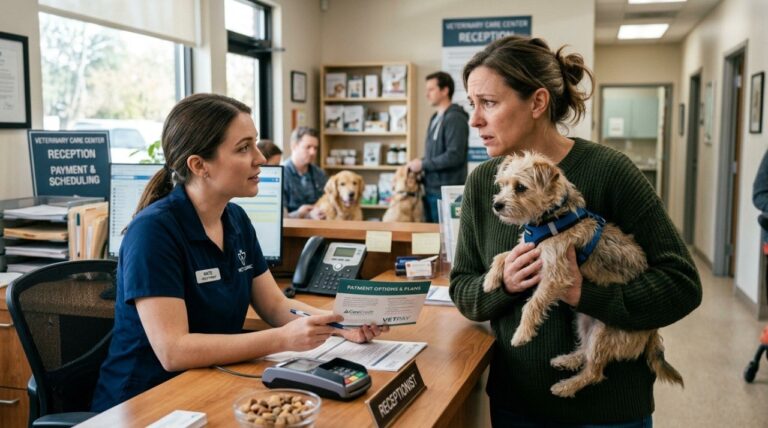
Most veterinary teaching hospitals use a tiered fee structure similar to private specialty hospitals: an initial consultation fee, charges for diagnostics (bloodwork, imaging, biopsies), and separate charges for treatment or surgery. Where they often differ is in reduced facility fees, lower markup on medications, and sometimes reduced anesthesia or hospitalization charges, since part of the hospital’s mission is education and community service rather than pure profit. Ask the billing office for a detailed written estimate before proceeding, just as you would at any other veterinary practice — teaching hospitals are typically very transparent about this, since walking students through the financial conversation is itself part of their training.
Preparing Your Pet and Yourself for the Experience
Because visits take longer and involve more people, it helps to prepare your pet in advance. Bring familiar treats or a comfort item if your pet gets anxious in new environments, and plan to have a flexible chunk of your day free rather than squeezing the visit between other commitments. It also helps emotionally to reframe the pace: the extra time isn’t inefficiency, it’s the process of multiple sets of trained eyes reviewing your pet’s case, which many owners come to see as a genuine benefit rather than a drawback once they understand how the system works.
Other Ways to Combine Savings
Vet school clinics pair well with other cost-saving strategies. Ask if the teaching hospital offers a sliding-scale fee for demonstrated financial need, inquire about any state or local low-cost veterinary grant programs affiliated with the school, and consider whether pet insurance you already carry will reimburse care received at a university hospital (most standard pet insurance plans do, since they typically don’t require an in-network provider). If cost remains a barrier even after exploring these options, many university veterinary programs maintain lists of national assistance funds and can point you toward additional resources.
Frequently Asked Questions
Do vet school clinics treat everyday pets, or only special cases?
Most teaching hospitals treat a wide range of cases, from routine wellness exams to complex referrals. Some schools focus mainly on specialty and referral cases, while others run general practice services open to the public — check with the specific school to see what they offer.
Are vet school clinics actually safe for my pet?
Yes. Every student’s work is supervised and reviewed by a licensed, often board-certified, veterinarian before any diagnosis or treatment is finalized. Many pet owners find the extra layer of review reassuring rather than concerning.
How long does a typical vet school appointment take?
Plan for significantly more time than a standard vet visit — often two to four hours for a first appointment, since students work through the case step by step with faculty oversight.
Can I get emergency care at a vet school clinic?
Some university teaching hospitals do run 24/7 emergency and critical care services, but many do not, or have limited after-hours availability. Always call ahead to confirm before assuming a vet school can handle an urgent situation.
Will my pet insurance cover treatment at a vet school clinic?
In most cases, yes. Most pet insurance policies reimburse based on the invoice from any licensed veterinary provider, including university hospitals, rather than requiring an in-network clinic. Confirm with your specific insurer to be sure.
Do I need a referral to be seen at a vet school clinic?
It depends on the institution and the service. Specialty departments often require a referral from your primary care veterinarian, while general or community practice services may accept walk-in or direct appointments. Always check the specific clinic’s policy first.
Disclaimer: This article is for general informational purposes only and does not constitute veterinary or financial advice. Costs, services, and policies vary by institution and change over time. Always contact the specific veterinary school clinic directly to confirm current fees, services offered, and appointment requirements, and consult a licensed veterinarian for guidance on your pet’s individual medical needs.
Want the full picture on affording vet care? See our Affording Vet Care guide for more.